

[Opinion] Between Pride and Arrogance: A Time for Self-reflection in University Media
Media Center Opinion Series
● The Decline of University Media: The Problem Is within Ourselves
After pouring three years into the Kyung Hee University (KHU) media center, and now standing at the final stage of the term, I find myself filled with complicated emotions. The media, which once served as a bridge between members of the university community, is gradually losing its essential function. People often say journalism is in crisis, but can universities truly claim they are exempt from it? University media is now suffering from a disease called “indifference,” as if we are a patient enduring life-prolonging treatment.

Students have become indifferent to university media, a reality that calls student reporters to reflect on the reasons within themselves
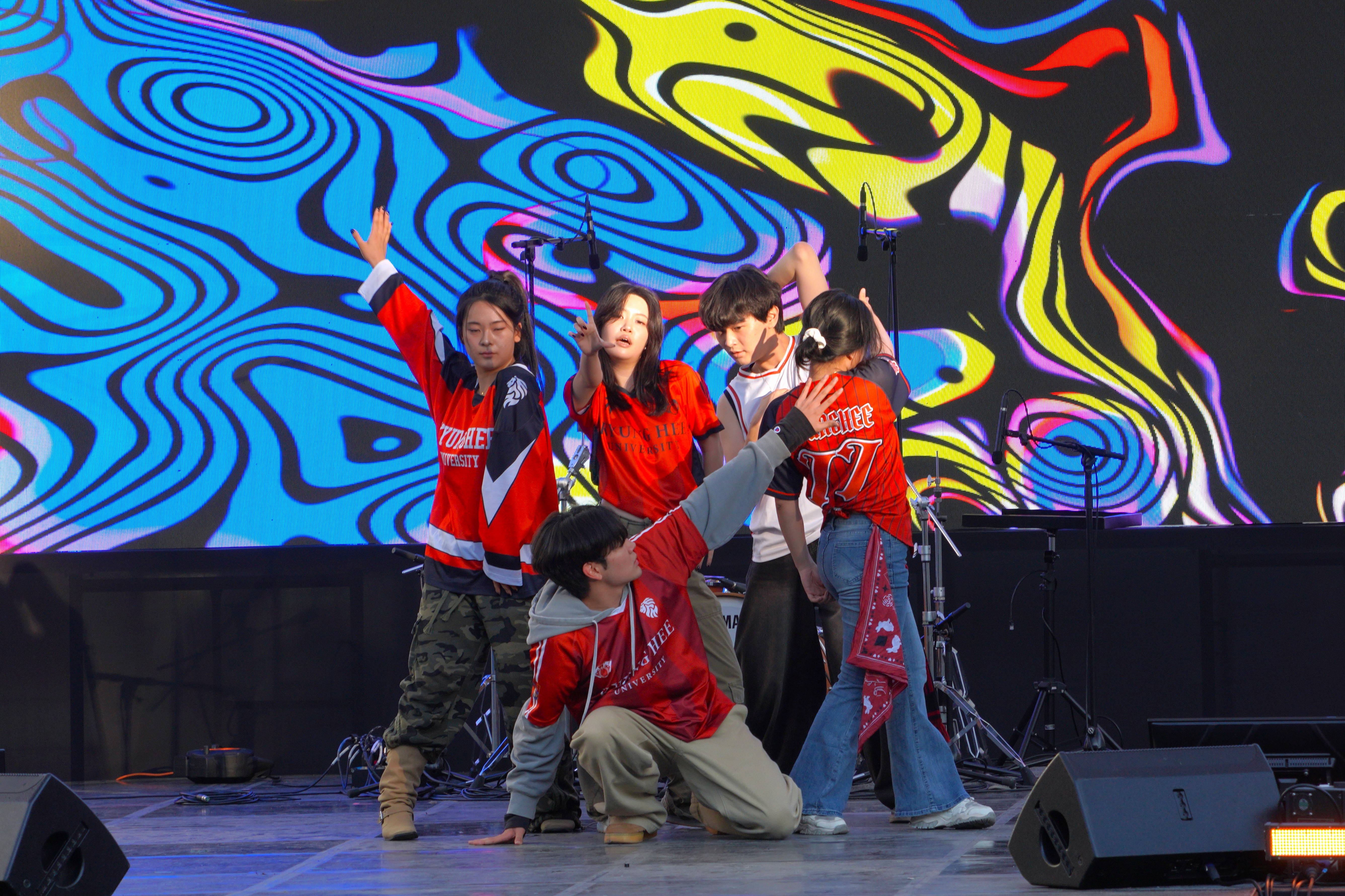
Photo: Media Today (mediatoday.co.kr)
However, it is not enough to simply blame the crisis of journalism. Before criticizing an indifferent society, reporters in university media must first reflect on themselves. It is time to question whether those who sit at their desks, merely exchanging emails without deep consideration of their topics, have become intoxicated by their own sense of pride. Moreover, it is worth asking whether they have reduced journalism to nothing more than a channel for event announcements, quietly slipping into arrogance.
Some university media outlets, at times, seem more interested in the act of “recording history” itself than in delivering truly valuable reporting. They criticize student associations as nothing more than hollow shells. Yet, ironically, they have become just as hollow as those they condemn, remaining blind to the need for self-reflection.
Pride and arrogance are separated by only a thin line. Pride can be a driving force, but it quickly collapses into arrogance the moment it crosses its proper boundary. We live in an age where anyone can become a journalist through technological advancement, and in a generation more familiar with Everytime than with traditional media. At this critical turning point where we should be thinking about our collective survival, university media instead appears more comfortable dividing themselves, telling others “not to hand over stories,” and sowing division between one another.
If university media is to cure itself of the disease of indifference, it must fill its hollow shell with high-quality reporting, eliminate the roots of division, and seek a path of cooperation rather than fragmentation. Through this process, it must rediscover its true sense of pride.
There are no registered comments.
I agree to the collection of personal information. [view]