

[Culture] Opening the Page of Jikji
Opening the Page of Jikji
The full name of Jikji is Baek-un-hwa-sang-cho-rok-bul-jo-jik-ji-sim-che-yo-jeol. It is a book written by Buddhist Baegun Kyunghan, and it contains the core sermons and quotations of Buddha and Zen masters about goodness. A representative quote from Jikji is, “Foolish for not being honest, the man blames the world for its vanity. A shapeless truth does not have an obsession. It just flocks and scatters away like clouds.” Jikji, which means to point out the right direction, has been recognized as the most influential Zen Buddhism textbook. For this reason, Jikji was named as United Nations Educational, Scientific and Cultural Organization (UNESCO) Jikji Memory of the World.
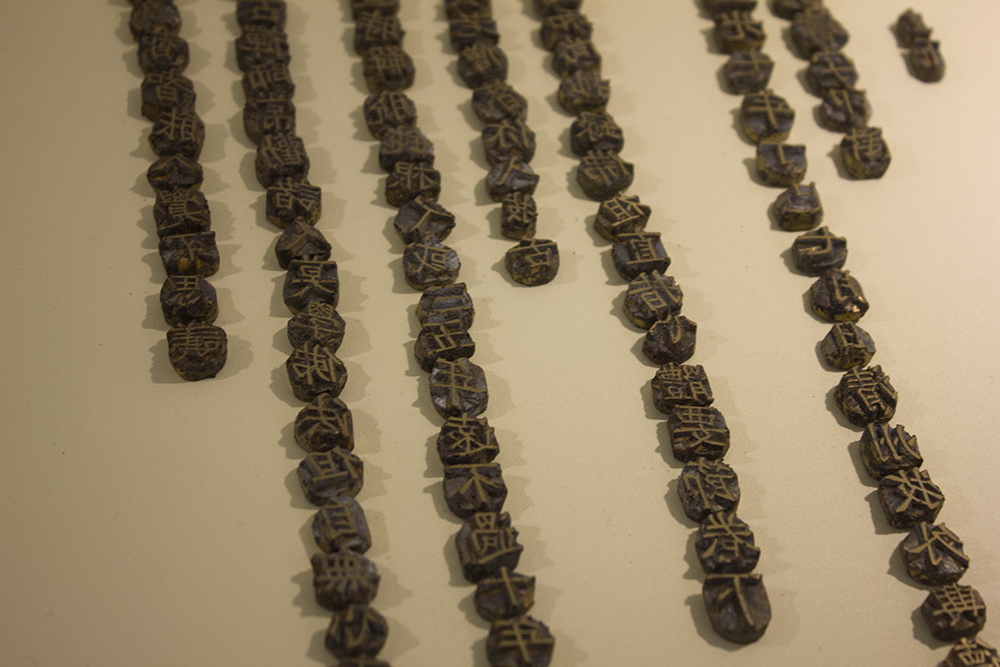
The movable metal types
The last page of Jikji records the printed date, location, and method of printing, establishing it as the oldest book made with movable metal type. Jikji was printed in July 1377, at Heungdeoksa (Heungdeok Temple), with metal type printing. For 13 years after the discovery of Jikji, archaeologists could not verify the site where it was printed. However, in 1985, during a temple excavation near Uncheon-dong in Cheongju-si, historic relics like a bronze drum and bowl engraved ‘Heungdeoksa’ were discovered. Shortly after the publication of Jikji, it is assumed that the temple was burned down.
In fact, Jikji shows that Korea had a developed printing technology in its history. Goryeo, a Korean kingdom from 918 to 1392, invented movable metal type. Under the chaotic circumstances of the 13th century, Goryeo was desperate to distribute and share intellectual information in a faster and more efficient way. Goryeo commercialized metal type printing starting from its capital, Gyegyeong, beginning in the early 13th century. Even before Jikji in 1377, Goryeo was culturally powerful with its then-unique printing technology. It also created Daejanggyeong, the Tripitaka Koreana and various other Buddhist scriptures, created with woodblock printing.
Perfect Place to Know Korean Printing History
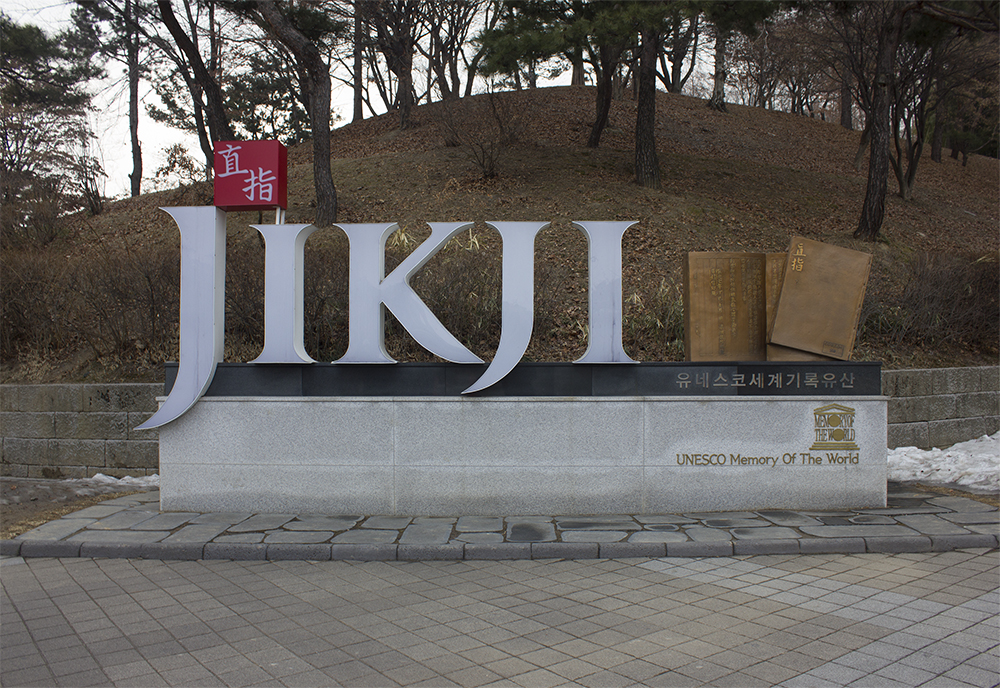
Cheongju Early Printing Museum
The invention of movable metal type has greatly contributed to the cultural development of humanity. It brought a groundbreaking change in the recording and the spread of information. Information was no longer exclusively for aristocrats. It started the popularization of information.
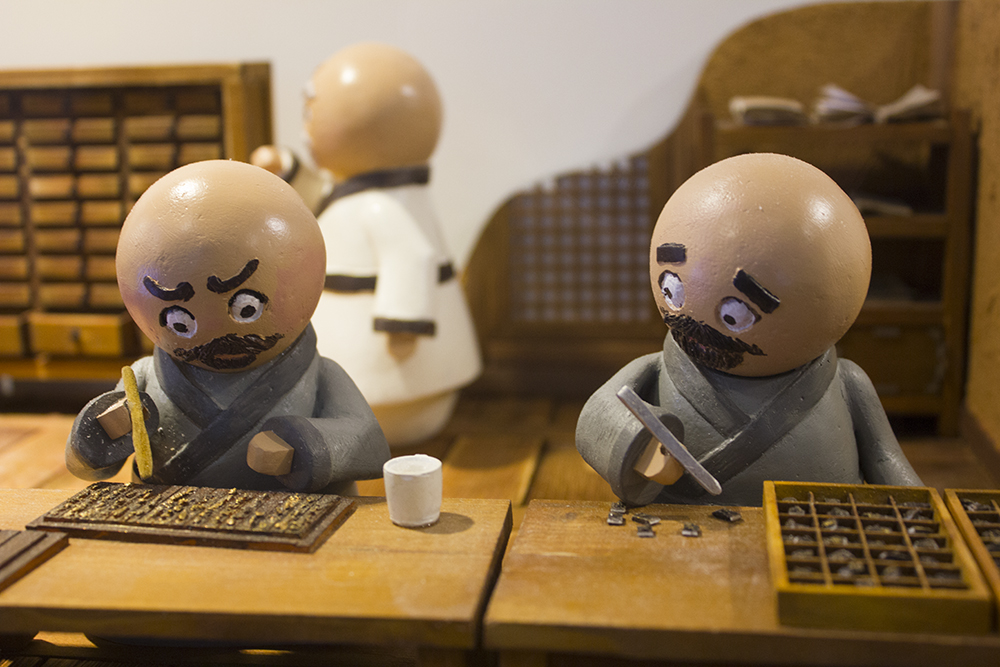
Dolls explain how the makings of Jikji work
Cheongju Early Printing Museum provides enormous insight about this movable metal type printing method. It not only shows how movable metal type was designed, created, used and preserved, but it also gives in-depth knowledge about Korean printing culture and its history.
There are no registered comments.

I agree to the collection of personal information. [view]