

[Culture] Sober Curious and Zebra Striping: Inside Gen Z’s Changing Drinking Culture
The traditional drinking culture, once characterized by coercion and binge drinking on university campuses and in workplaces, is changing. Especially among the people in their 20s and 30s , alcohol is no longer solely a means to get drunk but has become something to be controlled and chosen. As a result, “Sober Curious”—consciously avoiding or moderating alcohol—and “Zebra Striping”—alternating between alcoholic and non-alcoholic drinks—are gaining attention, particularly among “Generation Z (Gen Z).”
The Numbers Behind a Changing Drinking Culture
Alcohol consumption has been steadily declining. According to National Tax Service statistics, domestic alcohol shipments decreased by 22.6% from 4.074 million kiloliters in 2015 to 3.151 million kiloliters in 2024. Meanwhile, demand for non-alcoholic beverages is rapidly increasing. Market research firm Euromonitor International reported that the domestic non-alcoholic beer market grew approximately tenfold over ten years, from 8.1 billion won in 2014 to 70.4 billion won in 2024. It is projected to reach 94.6 billion won by 2027.
This trend is linked to changes in the drinking culture of people in their 20s and 30s. According to the 20s and 30s Drinking Culture Trends survey released by the survey service i-Answer-vay in March 2025, 81.5% of respondents reported drinking alcohol. However, regarding drinking frequency, 43% reported drinking zero to one time per month. For drinking venues, pubs/bars ranked first with 54.5%, followed by home at 47.1%.
When drinking regularly, beer was the most consumed beverage at 70.4%, while the preferred drinking style was low-alcoholic beverages at 54.1%. Drinking lifestyle of the young adults, characterized by low frequency and low-alcoholic beverage consumption, leans more toward enjoying the drinking culture than getting drunk.
Choi Ji-woo, a student from the Dept. of Sociology stated, “While drinking itself was the goal for freshmen, nowadays it feels like alcohol is used only as a supplementary tool to facilitate deeper conversations with friends.” This shift also laid the groundwork for emerging trends such as Sober Curious and Zebra Striping.
New Drinking Trends: Sober Curious and Zebra Striping
Sober Curious is a compound word of sober and curious, referring to people who are curious about staying sober and consciously regulate their drinking. This concept gained popularity through the book Sober Curious by British journalist Ruby Warrington, published in 2018. Since then, it has merged with broader wellness trends, expanding into cultural practices such as morning coffee gatherings and alcohol-free parties. The Sober Curious trend focuses not merely on abstinence, but on reflecting on the reasons for drinking and exploring ways to enjoy social activities without alcohol.
Changes in drinking behavior are also visible in Zebra Striping. Zebra Striping refers to alternating between alcoholic and non-alcoholic beverages, much like the black-and-white stripes of a zebra. Global spirits company Diageo highlighted Zebra Striping as a key consumption trend in its Distilled 2025 report, describing it as “a result of the trend prioritizing self-care, well-being, and slower social interactions.” Rather than complete abstinence, it reflects a choice to reduce burden by controlling intake volume and pace.
Among Gen Z, the Dry January challenge, meaning alcohol-free January, is also spreading. Participants aim to abstain from alcohol throughout the month of January. Alongside this, binge drinking purely purposed for intoxication is fading. The new drinking culture reflects a shift in mindset among younger generations who seek to maintain social connections and pursue enjoyment while avoiding unnecessary hangovers and excessive drinking.
This shift is reflected in Gen Z lifestyles, as young people increasingly seek alcohol-free alternatives for social interaction. The Seoul Morning Coffee Club (SMCC), which organizes morning coffee gatherings across Seoul and nationwide, holds alcohol-free wellness events such as early-morning SMCC Raves and the monthly Sunrise with LongBlack. These initiatives illustrate how Sober Curious culture is expanding into more structured and diverse forms of social engagement.
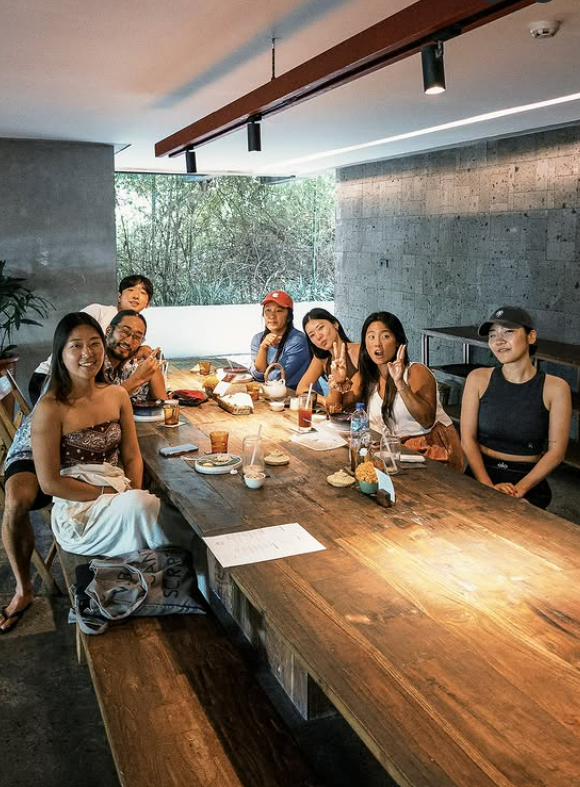
SMCC Daily morning Coffee Chat
Photo: Seoul Morning Coffee Club Instagram (@seoulmorningcoffeeclub)
Why Young Adults Are Drinking Differently
The era when drinking-centered gatherings dominated social life has passed. Younger generations are redefining the role of alcohol in their lives. This shift can be interpreted as a cultural transformation that extends beyond individual preference.
Kim Joong-baeck, professor in the Dept. of Sociology, described the younger generation’s moderate drinking trend as “a form of cultural shift.” He explained that as individualism has grown and social gatherings have diversified with the rise of social media, drinking has become less central to socializing.
Prof. Kim explained that the suspension of company dinner culture during the COVID-19 pandemic provided an opportunity to reevaluate existing social norms. The importance of drinking and company dinners, once taken for granted, has diminished. At the same time, a decline in collectivist tendencies and the expansion of performance-based evaluations within organizations have contributed to the spread of the Sober Curious lifestyle. He added, “A large number of young people perceive excessive drinking as an outdated practice of the older generation.”
Chung So-won, office worker in her 20s, said, “Even if you do not drink, it generally does not affect the atmosphere, and most people respect that choice.” She entered the workforce during the COVID-19 pandemic, when social gatherings were largely restricted. Even after those restrictions were lifted, she felt that the culture of drinking less has continued.
Choi said, “I do not feel the pressure to drink that was portrayed in media in the past.” Even at official gatherings such as department events or club retreats, “alcohol is used to help people bond, but it is not forced, and drinking is not the main focus.”
Prof. Kim further explained, “There is an aspect where the desire to have others acknowledge one's changed self and share this via social media leads to perceiving reduced drinking as a form of self-development.”
Choi explained that even those who struggle with alcohol may choose non-alcoholic or carbonated drinks to participate in the social atmosphere when others are drinking. This choice allows them to self-regulate without dampening the mood of the gathering. Moderation in drinking functions not merely as health management, but as a cultural symbol reflecting self-control and self-management.
Regarding the Sober Curious trend, Prof. Kim noted, “Sober Curious appears to be a result of changes that are already underway. While it may also influence society in the future, it is more meaningful to examine how broader social conditions shape this trend.”
Beyond a simple health trend, Sober Curious and Zebra Striping represent shifting values among younger generations who prioritize personal agency and mental clarity. Moving away from the past collectivist drinking culture, social occasions are increasingly being redefined as spaces where individual choice and diversity are respected. As attitudes toward alcohol continue to change, patterns of social interaction are evolving as well.
There are no registered comments.
I agree to the collection of personal information. [view]